Frame Flowers Vector: A Designer's Real-World Review
As a designer who has spent years translating digital art into tangible thread, I approach every new asset with a critical eye. The gap between a beautiful vector on a screen and a successful machine embroidery design is often where projects fail. When I first opened the files for Frame Flowers Vector, I was looking for more than just a pretty picture; I needed to know if it could survive the rigors of my hoop, the tension of my machine, and the expectations of my customers. This review breaks down how this specific set of Illustrations performs when moved from the digital realm to real-world textile applications.
First Impressions: Mood and Structural Integrity
The initial visual impact of Frame Flowers Vector is undeniably charming. It carries a classic, botanical elegance that feels timeless rather than trendy. For an Etsy seller or a boutique owner looking to build a cohesive brand identity, the floral motif offers a soft, welcoming aesthetic that translates well across various mediums. However, as a professional reviewer, my immediate focus shifts from the "look" to the "structure."
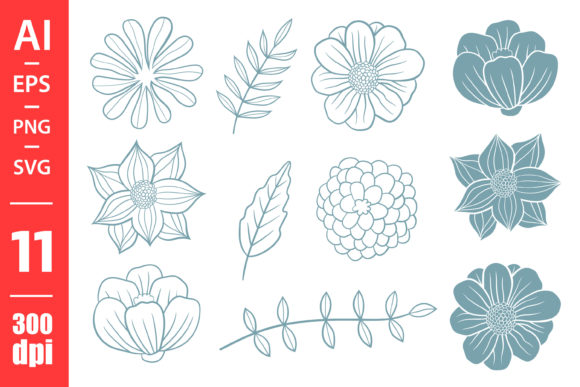
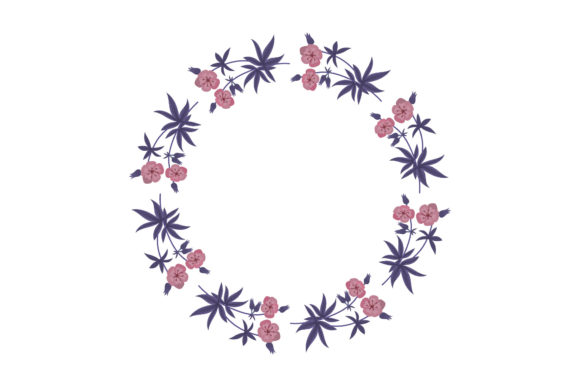
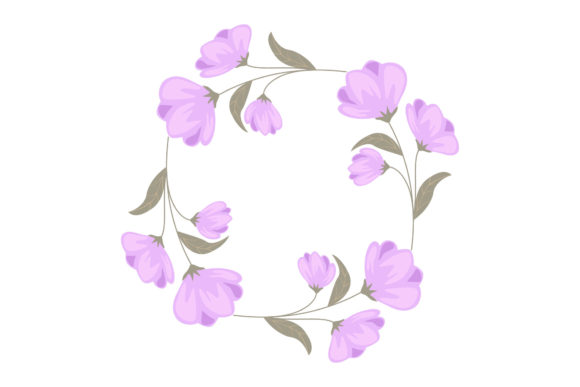
The layout suggests a border or frame style, which is excellent for enclosing text or other focal points. In the context of Graphics intended for apparel, the lines appear clean and deliberate. There are no chaotic overlaps that would cause stitching issues, and the negative space seems balanced enough to prevent excessive stitch density. This balance is crucial because high density can lead to puckering, especially on softer fabrics like sweatshirts or baby items. The design feels substantial enough to stand alone but flexible enough to act as a decorative accent.
Testing the Design in Real Scenarios
To truly evaluate Frame Flowers Vector, I imagined a specific project: a custom embroidered tote bag for a local craft fair. Tote bags are a staple for small shop products, but they present unique challenges due to the weave of the canvas and the size of the printable area. Using this design as a corner frame or a full-side border allows the flowers to breathe without overwhelming the product.
In this scenario, the versatility of the provided file formats—AI and SVG—is a significant advantage. Being able to scale the design ensures that whether I am working on a small embroidered patch for a cap or a large statement piece on a denim jacket, the integrity of the lines remains intact. If you are planning to use this for sweatshirt embroidery, the boldness of the floral outlines suggests it will hold up well against the texture of fleece or cotton blends. The design does not rely on microscopic details that might get lost in the nap of the fabric, making it a reliable choice for custom apparel.
Furthermore, consider the application for holiday embroidery or personalized gifts. A pillow cover or a kitchen towel featuring Frame Flowers Vector instantly elevates the item from a generic household good to a curated handmade piece. The organic shapes of the flowers soften the rigid geometry of a square pillow, creating a visual appeal that encourages customer trust and engagement. For a craft business, having a design that looks premium in both physical form and printable mockup previews is essential for driving sales.
Navigating Fabric Challenges and Limitations
While Frame Flowers Vector is robust, no design is universally perfect without careful consideration of the substrate. As a designer, I must advise caution when applying this to very thin or highly stretchy fabrics. The structural nature of a frame design means there are likely areas of continuous stitching. On a delicate silk blouse or a jersey knit t-shirt, this could cause unwanted distortion if the wrong stabilizer is used.
Similarly, dark fabrics require a strategic approach to thread colors. While the vector format allows for easy color changes, the contrast between the background fabric and the stitch line is vital for visibility. If you plan to use this on black garments, ensure your digitizing process includes a light underlay to make the white or pastel flower threads pop. Without proper underlay, the fill stitch might look muddy or incomplete.
Another area requiring attention is curved surfaces, such as caps or sleeves. Frame designs are typically rectangular or circular by nature. Attempting to force a rigid floral frame onto the curved brim of a hat can result in skipped stitches or uneven tension. Before committing to a client order, always test the design on a scrap piece of the actual fabric you intend to use. This step is non-negotiable for maintaining professionalism in commercial embroidery projects.
Practical Notes for the Professional Maker
For those ready to integrate Frame Flowers Vector into their workflow, here are a few practical notes based on my experience:
- Test Hoop Size First: Even though the vector scales, verify that the final dimensions fit within your machine's maximum hoop size. Oversized frames can lead to registration errors at the corners.
- Check Stitch Density: When converting the AI or SVG file into an actual embroidery file, monitor the density settings. Too many stitches in a small area can make the fabric stiff, ruining the drape of a tote bag design or a scarf.
- Color Palette Strategy: Use the flexibility of the vector to experiment with monochromatic schemes for a modern look, or vibrant contrasts for a playful baby embroidery project. Always view the design in black and white first to check the balance of light and dark areas.
- Licensing and Commercial Use: Ensure you have the rights to sell finished goods. Since this product is marketed for shirts, posters, and cards, confirm that the license covers digital product sellers who wish to resell the design itself versus selling the physical embroidered item.
- Stabilizer Selection: For textured fabrics like canvas or wool felt, use a heavy-duty cutaway stabilizer. For smoother fabrics, a tear-away might suffice, but the frame structure benefits from extra support to keep the edges crisp.
Final Verdict on Value and Application
Frame Flowers Vector stands out as a versatile asset for designers who value both aesthetics and functionality. It bridges the gap between simple clip art and complex, custom-digitized artwork. Its ability to adapt to various finished product types—from personalized gifts to branding merchandise—makes it a strong candidate for any serious maker's library.
The key to success with this design lies in preparation. By respecting the limitations of different fabrics, choosing the right stabilizers, and testing the stitch-out before production, you can create high-quality items that reflect well on your brand. Whether you are a hobbyist adding a personal touch to a holiday gift or a business owner scaling up your inventory, this design offers the reliability needed to turn a digital concept into a cherished physical object. It is not just a graphic; it is a foundation for quality craftsmanship.