Flowers Frame Ornamental: A Designer's Review
As a designer who has spent years navigating the gap between digital mockups and physical stitched reality, I approach every new asset with a critical eye. When I first opened the Flowers Frame Ornamental file, I wasn't just looking at a pretty picture; I was visualizing how it would translate from a screen to a fabric surface under the pressure of a needle. This design sits comfortably within the Illustrations category, offering a classic aesthetic that feels timeless rather than trendy. For those of us running small craft businesses or managing custom apparel lines, finding a frame that balances elegance with structural integrity is often the hardest part of the design process.
First Impressions: Mood and Structural Integrity
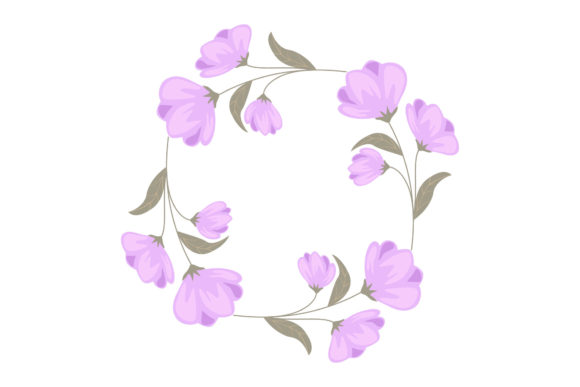
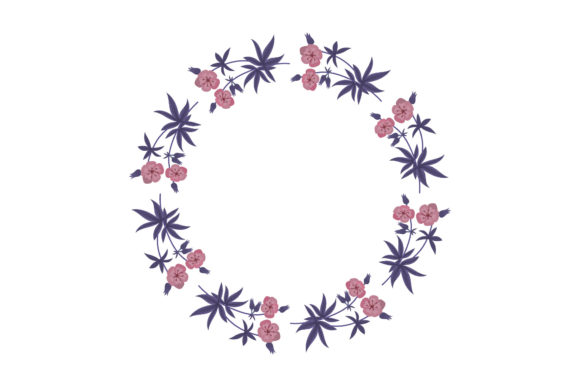
The initial visual impact of Flowers Frame Ornamental is one of balanced sophistication. It does not scream for attention but rather invites the viewer to look closer at the details. The layout suggests a floral motif arranged in a border or enclosure, which is perfect for framing text, logos, or central imagery on a finished product. From a technical standpoint, the line work appears clean, suggesting that when converted into a machine embroidery design, it will likely rely heavily on satin stitches for definition and fill stitches for texture. This combination is crucial for creating depth without overwhelming the fabric.
I immediately thought about how this design would serve as a foundational element for branding. In the world of Graphics, many frames feel too rigid or overly ornate, making them difficult to adapt. However, the organic curves of the flowers in this design offer a softness that pairs well with both modern and vintage styles. It feels like an asset that could elevate a simple tote bag into a boutique item or transform a basic sweatshirt into a premium personalized gift.
Real-World Application: From Concept to Stitched Reality
To truly understand the value of Flowers Frame Ornamental, I imagined a specific project: creating a limited-run collection of embroidered aprons for a local bakery client. The goal was to create a sense of warmth and tradition while maintaining a professional look. Using this design as the border around the bakery's logo would provide exactly the right amount of framing without cluttering the workspace of the apron.
In this scenario, the versatility of the file formats becomes apparent. Receiving the design in AI File, SVG File, and other vector formats allows for significant flexibility. Before sending it to the embroidery machine, I can manipulate the scale and color in Illustrator to ensure it fits the specific dimensions of the apron pocket. This is a critical step for any Etsy seller or small shop product creator. If the design were locked into a single raster format, adjusting it for different garment sizes would be nearly impossible.
Consider also the application on custom apparel like sweatshirts. A large-scale version of Flowers Frame Ornamental on the back of a crewneck sweatshirt could serve as a stunning backdrop for event dates or names. The floral elements would break up the solid block of thread that often results from dense lettering, adding visual interest and reducing the risk of puckering. For baby embroidery, a smaller, softer version could frame a monogram on a blanket or onesie, providing a delicate touch that parents love for nursery decor.
Navigating Fabric Challenges and Technical Considerations
While the design is versatile, experience teaches us that no embroidery file works perfectly on every surface without adjustment. Flowers Frame Ornamental contains intricate floral details that demand careful consideration regarding stitch density and hoop size. If you attempt to stitch this design on thin or stretchy fabric like jersey knit, the high density required to render the petals clearly could cause the fabric to pucker or distort. In such cases, using a heavy-duty stabilizer is non-negotiable. You must test the design on scrap fabric first to ensure the tension is correct before committing to a customer's order.
Textured fabrics present another challenge. On a rough canvas tote bag, the fine details of the flowers might get lost if the thread colors do not contrast sufficiently with the background. I always recommend testing the design in black and white mockups first to see if the shapes hold their form. If the design is intended for dark fabrics, you may need to add a backing layer or adjust the underlay settings in your digitizing software to ensure the colors pop.
Furthermore, curved surfaces like caps require special attention. The corners of the Flowers Frame Ornamental design are detailed, and stitching these onto a curved brim can lead to registration issues if the hoop isn't secured properly. For embroidered patch production, where the design is stitched onto felt or twill before being cut out, this frame works exceptionally well because the stabilizer provides a firm base. However, for direct application on a hat, you might need to simplify the inner details slightly to maintain clarity.
Maximizing Commercial Value and Customer Trust
For creative entrepreneurs and digital product sellers, the quality of your design assets directly influences buyer engagement. Using a well-crafted frame like Flowers Frame Ornamental signals professionalism. When a customer sees a finished product where the embroidery is crisp, the edges are clean, and the composition is balanced, their trust in your brand increases. This is especially true for holiday gifts or wedding favors, where presentation is paramount.
This design also offers excellent potential for printable mockup creation. Even if you are selling the digital file itself, having high-quality images of the design applied to various products helps customers visualize the end result. Whether you are marketing it as a tote bag design for eco-conscious shoppers or a decorative element for kitchen towels, the visual appeal drives sales.
However, remember that commercial use requires clear licensing. While the description mentions the design can be used for shirts, clothes, posters, stickers, tote bags, cards, and more, you must confirm the specific terms regarding selling the finished goods versus reselling the digital file. Always check whether the license covers commercial embroidery projects or if there are restrictions on the number of items you can produce.
Practical Notes for the Design Studio
Before integrating Flowers Frame Ornamental into your workflow, follow these practical steps to ensure success:
- Test Stitch Density: Run a test on a similar fabric to your final project. Check if the fill stitches are too tight, which can harden the fabric, or too loose, which can show the backing.
- Verify Hoop Size: Ensure the design fits comfortably within your machine's hoop with room for the clamps. Scaling down too much can ruin the detail of the flowers.
- Color Contrast: Select thread colors that stand out against the fabric. A light flower on a light shirt may look muddy after washing.
- Stabilizer Selection: Use a tear-away stabilizer for woven fabrics and a cut-away for knits to support the weight of the frame.
- Licensing Check: Confirm that your usage rights cover the specific type of handmade product or small business merchandise you plan to create.
In conclusion, Flowers Frame Ornamental is a robust asset for designers who value both aesthetics and functionality. It bridges the gap between digital art and tactile craftsmanship, offering a reliable structure for a wide range of projects. By understanding its limitations and leveraging its strengths through proper technique, you can create finished products that not only look beautiful but also stand the test of time and frequent washing.