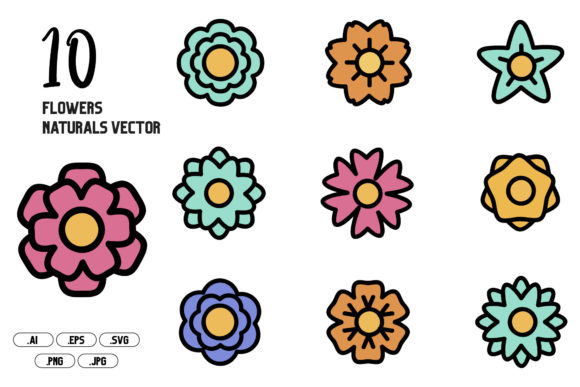
Flowers Naturals Vector: A Designer's Real-World Review
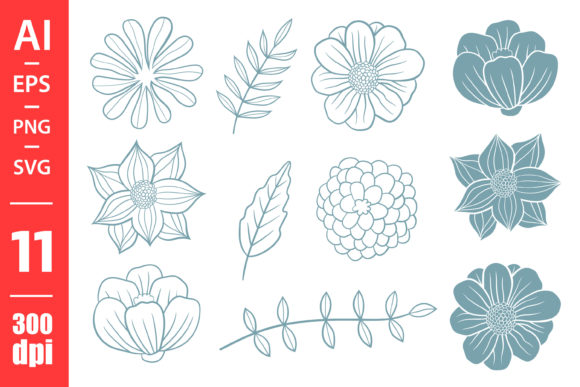
As a designer who has spent years turning digital concepts into tangible, stitched realities, I approach every new Flowers Naturals Vector asset with a specific set of questions. Does the line work translate to thread? Will the details survive the conversion from vector to stitch? Is this something my clients will actually love on their finished products? When I first opened the file package for this design, which includes AI, SVG, Transparent PNG, JPG, and EPS formats, I was immediately drawn to its organic flow. The canvas size of 1920 px by 1280 px suggests a robust resolution that holds up well under scrutiny, but resolution is only half the battle in the world of embroidery.
The First Impression: Mood and Visual Personality
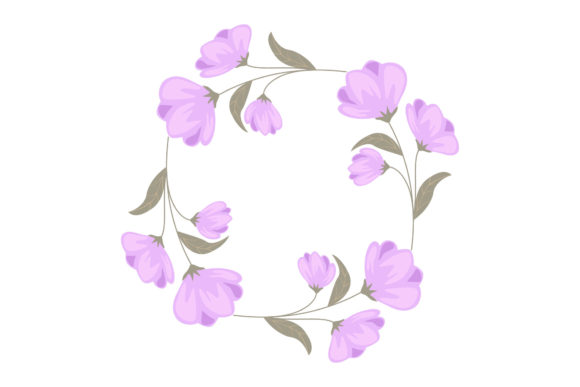
At first glance, Flowers Naturals Vector exudes a sense of calm, botanical elegance. It sits comfortably within the Illustrations category, offering a fresh take on floral motifs that avoids the cliché of overly rigid or symmetrical arrangements. For a small business owner or an Etsy seller looking to elevate their brand, this kind of visual personality is crucial. The layout feels balanced yet dynamic, suggesting movement that can be captured beautifully in a fill stitch pattern. However, as a reviewer, I know that what looks perfect on a screen must withstand the mechanical reality of an embroidery machine.
When I consider how this design would look on a custom embroidered tote bag, the potential becomes clear. The natural curves of the flowers lend themselves well to satin stitch borders, while the larger petal areas are prime candidates for dense fill stitches. This versatility makes it a strong contender for both personal projects and commercial embroidery assets. Yet, before committing to a final run, I always simulate the stitching process mentally. How will the thread colors interact with the fabric texture? Will the negative space between the petals remain clean, or will loose threads create a messy appearance?
Real-Life Application: From Screen to Stitch
Let’s talk about a real scenario. Imagine you are preparing a limited-run collection of personalized baby items, specifically onesies and receiving blankets. You need a design that feels soft, safe, and timeless. Flowers Naturals Vector fits this brief perfectly. The gentle lines and lack of aggressive sharp angles make it ideal for baby embroidery. In this context, the design serves not just as decoration but as a statement of care and quality. If I were using this for a boutique product, I would likely pair it with high-quality cotton thread on a light pastel background to maximize the visual appeal.
Conversely, if we shift to a sweatshirt embroidery project, the dynamics change. Sweatshirts have a thicker, more textured surface than baby clothes. Here, the detail level of the Flowers Naturals Vector becomes a critical factor. While the vector format ensures scalability, converting this intricate graphic into a machine embroidery design requires careful attention to stitch density. If the density is too low, the design might look sparse against the heavy fabric. If it is too high, the fabric could pucker, ruining the drape of the garment. As a craft business owner, I would test this on a scrap piece of fleece first to ensure the stabilizer choice supports the weight of the thread without distorting the shape.
Strategic Uses for Small Shop Merchandise
- Custom Apparel: Ideal for t-shirts and hoodies where a chest logo or back print adds a professional touch.
- Home Decor: Perfect for pillow covers and tea towels, bringing a touch of nature into the kitchen or living room.
- Holiday Gifts: Excellent for creating seasonal wreaths or ornaments that feel handmade and unique.
- Embroidered Patches: The distinct outlines allow for clean edge finishing when creating detachable patches for denim jackets or bags.
Navigating Challenges: Where Caution is Needed
Despite its strengths, Flowers Naturals Vector is not a one-size-fits-all solution. There are specific situations where this design requires extra caution. For instance, attempting to use this on very thin fabric like chiffon or silk could lead to visible puckering, especially if the design area is large. Similarly, curved surfaces like caps present a challenge. The intricate details of the flowers might get lost or distorted on the rounded brim of a hat unless the design is significantly simplified or reworked for that specific hoop size.
Another area of concern is dark fabric. While the transparent PNG and JPG files provided are great for digital mockups, they do not solve the physical issue of visibility. On a black sweatshirt, white thread might bleed through, or darker thread colors might disappear entirely. To maintain the visual integrity of the design, you would likely need to use a backing or an applique design technique, placing a base layer of fabric behind the flowers before stitching. This adds steps to your production process but ensures the finished product looks crisp and professional.
Practical Notes for the Embroidery Designer
If you decide to incorporate Flowers Naturals Vector into your workflow, here are some practical steps to ensure success. First, always test the design on scrap fabric that matches your final material. This allows you to check thread color contrast and review stitch density without risking expensive inventory. Second, confirm your hoop size. Even though the canvas is 1920 px by 1280 px, your physical hoop might limit how much of the design you can stitch at once. You may need to split the design into multiple parts, which requires precise alignment to avoid gaps.
Inspect small details closely. In the vector file, a tiny leaf might look perfect, but in thread, it could become a tangled mess if the stitch count is too low. Use proper stabilizer to support the fabric during stitching, especially for detailed corners or dense stitch areas. Additionally, test the design in black and white mockups before printing or selling. This helps you see if the value structure works without relying on color alone. Finally, compare light and dark fabric backgrounds to understand how the design adapts to different environments.
Impact on Brand and Customer Trust
For creative entrepreneurs and digital product sellers, the quality of your design assets directly impacts customer trust. Using a well-crafted graphic like Flowers Naturals Vector signals professionalism. When a customer receives a personalized gift or a handmade product with a flawlessly executed floral motif, their perception of your brand elevates. It shows attention to detail and a commitment to quality. This is particularly important for Etsy sellers and boutique branding, where the difference between a generic item and a premium product often lies in the execution of the design.
Furthermore, the versatility of the included file formats—AI, SVG, EPS, PNG, and JPG—means you can use this asset across various platforms. You can create printable mockups for your online store, generate digital embroidery files for client orders, or even use the graphics for social media marketing. This flexibility enhances buyer engagement and allows you to present your work consistently across all channels. Whether you are selling a holiday embroidery kit or a custom apron, the visual consistency provided by a high-quality vector source builds recognition and loyalty.
Final Thoughts on Commercial Viability
In conclusion, Flowers Naturals Vector is a robust addition to any designer's library, provided it is used with intention and technical awareness. It excels in applications requiring a natural, elegant aesthetic, such as nursery decor, wedding gifts, and lifestyle apparel. However, it demands respect for the limitations of the medium. Always verify licensing terms before selling finished items or digital products to protect your business. By taking the time to test, adjust, and refine, you can transform this digital illustration into a stunning, market-ready embroidered masterpiece that resonates with customers and stands the test of time.