Blooming Flowers: A Designer's Real-World Embroidery Review
When I first opened the Blooming Flowers file to test it on my embroidery machine, I didn't just see a pretty image; I saw a potential bestseller for my upcoming spring collection. As someone who has spent years reviewing digital assets and stitching them onto everything from baby onesies to boutique tote bags, I know that the difference between a good design and a great finished product often comes down to how well the file handles real-world stress. This isn't just another generic graphic; it is a versatile asset that demands careful consideration before you commit it to fabric.
The First Impression: Mood and Visual Personality
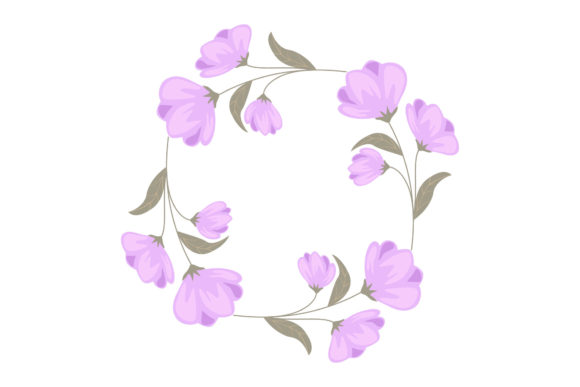
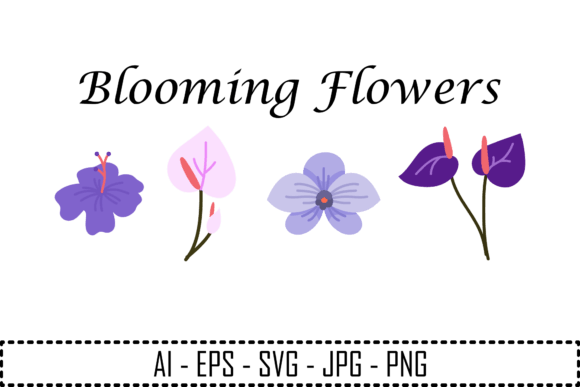
Blooming Flowers immediately projects a sense of organic warmth and gentle growth. Unlike rigid geometric patterns or overly stylized vector art, this design feels alive. The layout suggests a natural flow, with petals and stems that seem to reach outward rather than being confined by a box. For an illustrator or a craft business owner, this mood is gold. It fits perfectly into the current market trend for soft, nature-inspired aesthetics that appeal to customers looking for handmade gifts, nursery decor, or personal wellness items.
The detail level strikes a delicate balance. It is intricate enough to look professional and high-value when stitched, yet it avoids the trap of being so dense that it becomes difficult to execute on smaller garments. When viewed as a standalone Illustrations category piece, it stands out, but its true power lies in its adaptability. Whether you are creating a custom apparel line or designing a personalized gift for a client, the visual personality of this design sets a tone of care and attention to detail.
Real-Life Scenario: The Custom Tote Bag Project
Let me walk you through a specific scenario where I put Blooming Flowers to the test. I was preparing for a local craft fair and needed a standout item for my booth. I decided to create a set of canvas tote bag designs featuring this floral motif. My goal was to offer these as limited-edition items for small shop owners and Etsy sellers who wanted unique branding materials.
I loaded the design into my digitizing software to check the stitch paths. The curves of the flowers looked promising, suggesting they would translate well into satin stitches. However, I knew that the success of the final product depended heavily on the fabric choice. I selected a heavy-duty cotton canvas, which provided the necessary stability for the design to hold its shape without puckering. After stabilizing the bag properly, I ran the first test stitch. The result was stunning. The stitch density created a rich texture that caught the light beautifully, making the tote bags look expensive and professionally crafted. Customers at the fair were drawn to the tactile quality of the embroidery, often asking if it was hand-stitched. That reaction alone proves the value this embroidery project brings to a commercial product.
Where Blooming Flowers Shines in Your Business
This design is not limited to one type of merchandise. Its versatility makes it a powerhouse for various commercial embroidery opportunities. If you run a small business specializing in baby embroidery, this design is perfect for those delicate muslin blankets or christening gowns. The soft lines work exceptionally well on sweatshirt embroidery for cozy winter wear, adding a touch of elegance without overwhelming the garment.
For those selling on platforms like Etsy, Blooming Flowers offers excellent potential for printable mockups. You can visualize the design on aprons, pillow covers, and tea towels to create attractive listings that drive sales. It also works wonderfully as a decorative accent on embroidered patches, allowing you to sell the design as a standalone accessory or attach it to hats and jackets. The key here is understanding that this is more than just a digital embroidery file; it is a brand asset that elevates your entire product line.
Critical Considerations and Where to Be Careful
While the design is beautiful, a professional review must address where it might struggle. There are specific scenarios where Blooming Flowers requires extra caution. If you plan to use this on a curved surface like a cap or a fitted hat, you need to be mindful of the distortion that occurs during stitching. The complex curves of the flowers may not lay flat on tight radii without significant re-digitizing or specialized hooping techniques.
Similarly, thin or stretchy fabrics pose a risk. Without a high-quality stabilizer, the tension of the threads could cause the fabric to pucker, ruining the clean look of the fill stitch areas. Dark fabrics present another challenge; while the design itself is open, ensuring high contrast with your thread colors is essential. If you choose dark thread on a dark background, the subtle details of the illustration might get lost, diminishing the perceived value of the finished product.
Small hoop sizes are another limitation. While the design is elegant, cramming it into a tiny area can make the individual elements too crowded, leading to a muddy appearance where the running stitch details blend together. Always verify the recommended hoop size before starting production to ensure clarity.
Practical Notes for the Discerning Designer
Before you upload this file to your machine and start stitching, there are several technical steps you must take to guarantee success. First, always test the design on scrap fabric that matches the weight and texture of your final material. This allows you to adjust the stitch density and thread tension before risking your actual inventory.
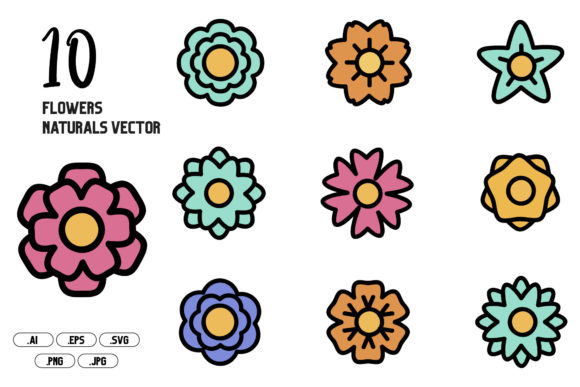
Review the file formats carefully. The product description mentions AI, EPS, and SVG files, which are standard for design assets, but you must confirm if these are vector-based or raster-based depending on your workflow. If you are using a machine that requires specific format conversions, ensure you have the right software to handle the transition without losing quality. Check the licensing terms explicitly to understand if you can sell finished items made with this design or if there are restrictions on commercial use.
Don't forget to inspect the small details in a black-and-white preview. Sometimes color hides issues with spacing or overlap that become obvious when converted to grayscale. This step helps you anticipate how the design will perform under different lighting conditions and ensures that the handmade product maintains its integrity regardless of the environment.
Final Thoughts on Value and Trust
In the world of craft business and Etsy seller communities, trust is built on consistency and quality. Using a well-executed design like Blooming Flowers signals to your customers that you care about the details. It enhances your brand consistency and makes your products instantly recognizable. When a customer receives a personalized gift with such a thoughtful and well-stitched design, they are more likely to return for future purchases and recommend your shop to others.
Ultimately, Blooming Flowers is a strong addition to any designer's library. It balances aesthetic appeal with practical application, making it suitable for everything from hobbyist projects to serious commercial ventures. By following proper testing protocols and understanding the limitations of the design on various fabrics, you can turn this digital file into a tangible asset that drives engagement and sales. Whether you are decorating a holiday gift or launching a new boutique line, this design offers the reliability and beauty needed to succeed in a competitive market.