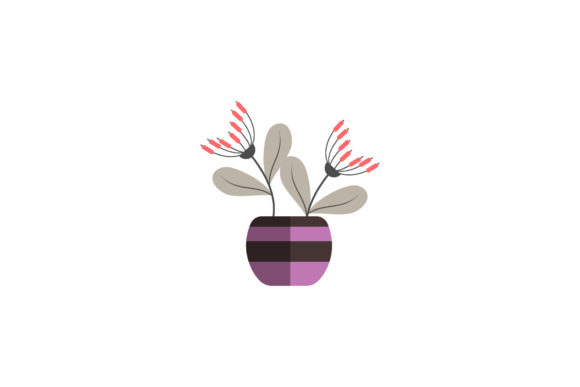
Flowers Plant Design Graphics for Modern Illustrations
In the world of digital publishing, a single visual asset can determine whether a reader clicks, stays, or leaves. As a blog designer who has managed content for years, I know that editorial design is not just about layout; it is about trust. When I first encountered Flowers Plant Design, I immediately saw its potential to elevate a content site from amateur to professional. This graphic design asset brings a fresh, organic energy that fits perfectly into modern web design and content marketing strategies.
The first impression of this piece is undeniably lively yet polished. It creates an editorial mood that feels both lifestyle-focused and aesthetically clean. For a niche audience interested in wellness, home decor, gardening, or creative entrepreneurship, this asset signals approachability without sacrificing quality. It strikes a balance between being playful and sophisticated, making it ideal for brands that want to appear artistic but still maintain a strong brand identity.
Elevating Your Editorial Workflow with Visual Assets
Imagine you are preparing a week's worth of content for your affiliate blog. You need featured images for five articles, a banner for your newsletter, and a series of Pinterest pins. Usually, sourcing these elements requires juggling multiple tools or hiring expensive freelancers. However, using Flowers Plant Design as a core component of your visual system streamlines this process significantly.
This design asset is versatile enough to serve as a hero image on your homepage, creating an immediate emotional connection with visitors. Its organic lines and botanical feel work exceptionally well as article headers, softening the tone of educational guides or product reviews. When used in newsletter graphics, it adds a touch of personality that encourages open rates. Whether you are creating a lead magnet, a digital guide, or an eBook cover, this illustration provides a cohesive look that makes your downloadable resources feel premium.
The utility of this file extends beyond static web pages. In the realm of social media graphics, it serves as a powerful background or accent element. You can layer text over the floral patterns to create eye-catching social posts that stop the scroll. For affiliate marketing, where visual persuasion is key, having a consistent, high-quality illustration helps build credibility. It tells your audience that you care about the presentation of your recommendations, which directly impacts reader trust.
Strategic Applications for Content Creators
One of the most valuable aspects of Flowers Plant Design is how it supports visual hierarchy. A well-designed graphic guides the eye naturally toward your call-to-action or headline. By integrating this asset into your website header or category thumbnails, you establish a stronger visual identity that separates your site from generic templates.
- Blog Featured Images: Use the full composition to anchor your main post visuals, ensuring they stand out in search results and social feeds.
- Pinterest Pins: The vertical nature of many floral compositions makes them perfect for Pinterest, where visual appeal drives traffic.
- Digital Guides and Worksheets: Incorporate the design into the covers of your freebies to increase perceived value and download rates.
- Media Kits: If you pitch to advertisers, including this aesthetic in your media kit demonstrates a professional approach to small business branding.
- Canva Templates: Because of its vector-like qualities, this design integrates seamlessly into Canva workflows, allowing non-designers to create stunning digital products.
The original description notes that this design can be used for shirts, clothes, posters, stickers, tote bags, cards, and more. While those are excellent applications for physical merchandise, for the digital publisher, this versatility translates to endless possibilities for commercial design. You can adapt the motif for print-on-demand products sold alongside your digital content, creating a unified brand experience across both physical and digital channels.
Technical Considerations and File Formats
From a technical standpoint, receiving this asset in AI and SVG formats is a game-changer for publishers. These scalable vector formats ensure that your graphics remain crisp regardless of the screen size, from large desktop monitors to mobile devices. Unlike raster images that pixelate when stretched, the SVG file allows you to resize the floral elements infinitely while maintaining sharp edges.
When implementing this into your workflow, consider the file size. Even though vectors are efficient, if you export them for the web, you must compress them properly to ensure fast page load times. Slow-loading sites hurt SEO and user experience. Always test the final output to confirm it meets web performance standards before publishing.
Furthermore, always review the commercial license associated with the download. Before using this asset on monetized websites, affiliate pages, or paid content products, ensure you have the right to use it for commercial purposes. This protects your business and ensures you are compliant with the terms of the creative marketplace.
Where to Apply and Where to Exercise Caution
While Flowers Plant Design is highly adaptable, it is not a one-size-fits-all solution for every type of content. It works best in niches that embrace nature, creativity, lifestyle, and personal growth. It shines as a decorative accent in editorial layouts and as a primary visual in lifestyle blogs.
However, there are scenarios where this asset should be used carefully. If you operate in a serious professional niche, such as corporate finance or legal services, the organic and potentially playful nature of the flowers might clash with the required tone of authority. Similarly, for websites that demand a very minimal visual system, the detail in this illustration could feel too busy.
Be mindful of small mobile thumbnails. On a tiny screen, complex details might get lost, turning the image into a blur. In these cases, simplify the view or use only a specific portion of the design. Additionally, avoid placing this graphic on low-contrast backgrounds or busy layouts where the colors might compete with your text. Readability is paramount in content publishing; if the design obscures your message, it fails its purpose.
Testing Your Design Decisions
Before fully committing to this asset across your platform, I recommend running a few practical tests. Place the design beside different font styles to see how it interacts with your typography. Try pairing it with a serif font for a classic, editorial look, or a sans-serif font for a modern, clean aesthetic. Test it with script or handwritten fonts if you want a more whimsical vibe, and compare it against display fonts for bold headlines.
Preview the design inside a real blog layout. Does it support the visual hierarchy? Does it make the page look more clickable? Check the contrast by viewing it in black and white to ensure the shapes hold up without color. Finally, test it on actual mobile devices to see how it renders as a thumbnail in email newsletters or social media previews.
Ultimately, Flowers Plant Design is more than just a pretty picture; it is a strategic tool for enhancing your digital presence. By thoughtfully integrating this modern design into your content marketing strategy, you can improve click-through potential, foster better reader trust, and create a cohesive visual identity that resonates with your audience. Whether you are building a new site or refreshing an existing one, this asset offers the polish needed to succeed in today's competitive digital landscape.